
10 Proven Ways to Cool Your Home Efficiently and Cut Your Energy Bill This Summer
Summer electricity bills have a way of shocking homeowners every year. As temperatures rise, our air conditioners run longer and work harder, and the costs add up fast. The good news is you don’t have to choose between staying cool and affording your utility bill. With the right strategies, you can reduce your cooling costs by 20–40% while actually making your home more comfortable.
Most energy-saving cooling tips fall into two categories: reducing the heat that enters your home, and making your cooling equipment run as efficiently as possible. In this guide, we’ll cover 10 actionable, proven methods you can implement this week—from quick free fixes to smart equipment upgrades.
1. Choose the Right Cooling Equipment for Your Space
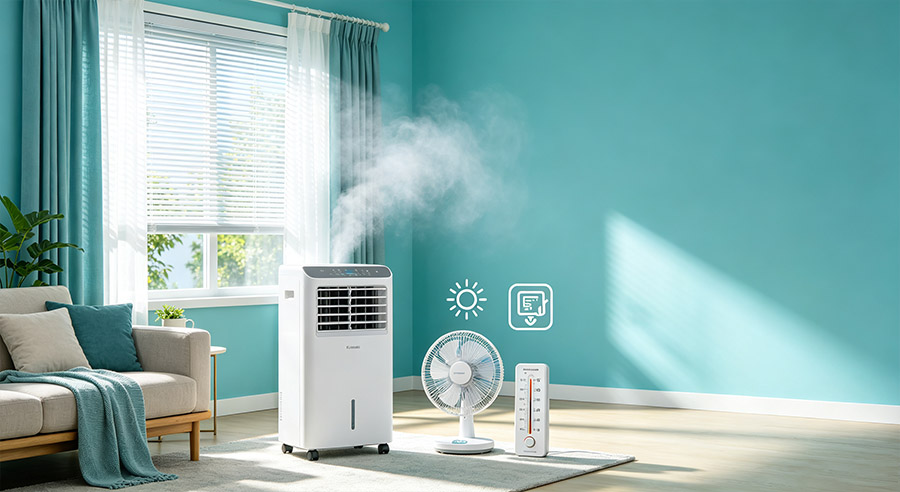
The biggest factor in cooling efficiency is using the right tool for the job. Running central air to cool one bedroom while you sleep is enormously wasteful. Targeted cooling with a portable air conditioner is far more efficient for most people’s daily routines.
Here’s why:
- Zone cooling: Cool only the room you’re actually using, not empty bedrooms, hallways, and closets.
- Lower wattage: A 12,000 BTU portable AC uses roughly half the power of a typical central AC system.
- No duct losses: Central AC loses 10–30% of its cooling power through leaky ductwork in attics and walls. Portable units deliver cooling directly to the room.
For maximum savings, use your central AC sparingly for whole-house cooling on the hottest days, and rely on a portable AC for day-to-day single-room comfort. Look for an energy-efficient model with a high CEER rating, inverter technology, and auto mode that adjusts cooling power automatically.
2. Seal Air Leaks and Stop Warm Air From Sneaking In
Cool air leaking out and warm air leaking in is one of the biggest wastes of cooling energy. You can lose 20% or more of your cooling through gaps around windows, doors, and utility penetrations.
Quick fixes:
- Apply weatherstripping around window and door frames
- Use door sweeps on exterior doors to seal the bottom gap
- Caulk around window trim and wall outlets
- Seal gaps around pipes, wires, and vents that pass through exterior walls
- For window AC or portable AC installations, make sure the window kit is fully sealed with no gaps
This is one of the cheapest upgrades you can do, and it pays for itself in one cooling season.
3. Block Solar Heat Before It Enters Your Windows
Up to 30% of unwanted summer heat comes in through your windows as sunlight. Stopping that heat before it gets inside is far more efficient than letting it in and then cooling it back down.
Options from cheapest to premium:
- Blackout curtains or thermal curtains: Install on south and west-facing windows. Close them during the day to block 70–90% of solar heat.
- Window film: Reflective solar window film rejects up to 80% of solar heat while still letting light through.
- Exterior awnings or shutters: The most effective option, reducing solar heat gain by up to 70% on west-facing windows.
Even just closing your blinds on sunny afternoons can lower room temperatures by 5–10 degrees and reduce your AC runtime significantly.
4. Optimize Your Thermostat Settings
Small adjustments to your thermostat add up to big savings. The U.S. Department of Energy estimates that you can save about 10% per year on heating and cooling by turning your thermostat back 7–10°F for 8 hours a day.
For summer:
- Set your thermostat to 78°F when you’re home and active
- Raise it to 82–85°F when you’re away at work
- Keep it at 80–82°F while you sleep (use a fan for extra comfort)
If you use a portable air conditioner, use the built-in timer or programmable thermostat to turn it on 30 minutes before you get home, so you walk into a cool house without wasting energy all day.
5. Use Fans Strategically to Boost Comfort
Fans don’t cool the air—they cool your skin through evaporation. But when used correctly, they let you raise your thermostat setting by 2–4 degrees with no loss in comfort.
Best practices:
- Use ceiling fans on counterclockwise rotation in summer
- Turn fans off when you leave the room—they only benefit people in the space
- Place a fan near your AC vent to circulate cool air faster
- Use a small desk or bedside fan at night instead of cranking the AC
Pairing a fan with your air conditioner is one of the easiest ways to cut energy use while staying just as cool.
6. Keep Your Cooling Equipment Well Maintained
Dirty filters, blocked vents, and clogged coils make any cooling system work harder and use more electricity. A little regular maintenance goes a long way.
Maintenance checklist:
- Clean or replace air filters every 2–4 weeks during heavy use. A clogged filter can reduce efficiency by 15–20%.
- Keep air intake and exhaust vents clear of furniture, curtains, and clutter.
- Wipe down the exterior of the unit to remove dust.
- For portable ACs, ensure the exhaust hose is straight and fully extended, with no kinks that restrict airflow.
- Schedule annual professional maintenance for central AC systems.
7. Reduce Heat Generation Inside Your Home
Everything you run inside your house adds heat. Your AC then has to remove that heat, which costs money. Simple lifestyle changes can reduce your internal heat load significantly:
- Cook outdoors on the grill instead of using the oven or stovetop
- Run the dishwasher and laundry at night when it’s cooler, and only run full loads
- Switch to LED light bulbs (they produce 75% less heat than incandescents)
- Turn off computers, TVs, and game consoles when not in use
- Take shorter, cooler showers to reduce humidity and heat
These changes are free, easy, and add up to noticeable savings over the course of a summer.
8. Dehumidify for Better Comfort at Higher Temperatures
Humidity makes hot air feel much hotter. When humidity is high, 78°F can feel like 85°F. Removing excess moisture from the air makes your home feel cooler without lowering the thermostat.
Many modern portable air conditioners have a dedicated dehumidifier mode that removes moisture without full cooling. This uses far less energy than running the AC on full cold, and it’s perfect for mild but humid days.
For very humid climates, a standalone dehumidifier in the dampest part of your home can make your AC work much less and improve comfort everywhere.
9. Cool Down at Night With Natural Ventilation
If your area cools down significantly at night, take advantage of free natural cooling:
- Open windows on opposite sides of the house to create cross-breezes
- Use fans to pull cool night air in and push hot air out
- Close windows and blinds in the morning before the day heats up
- This “thermal mass” strategy lets your walls and floors stay cool through the early part of the day
This works best in dry climates and areas with large day-night temperature swings. On very humid nights, skip this method—you’ll just trap moist air inside.
10. Upgrade to Smart, Efficient Cooling Technology
If your current AC is more than 10 years old, upgrading to a modern efficient unit can cut your cooling costs dramatically. New portable air conditioners with inverter compressors adjust their speed automatically, using only the power needed to maintain your set temperature. They’re quieter, more consistent, and use 20–30% less energy than old single-speed units.
Look for features like:
- Inverter compressor technology
- High CEER energy rating
- Eco mode and sleep mode
- Programmable 24-hour timer
- Auto-evaporation system that wastes no water
Final Thought: Efficiency = Comfort + Savings
You don’t have to suffer through summer heat to save money on your electric bill. The best efficiency strategies actually make your home more comfortable, not less. It starts with choosing the right cooling equipment for how you actually live, sealing out unwanted heat, and using smart habits to reduce unnecessary load on your system.
Start with the free and cheap fixes first—seal leaks, close curtains, clean your filters—and you’ll see immediate savings. Then invest in an efficient portable air conditioner for targeted, flexible cooling that keeps you comfortable without breaking the bank.

Related posts
There’s nothing worse than tossing and turning on a hot summer night, sticky with sweat, watching the clock tick later and later. Sleep quality plummets... Continue reading
Small apartments have unique cooling challenges. Limited square footage, lots of sunlight from large windows, rarely ideal window placement, and often strict lease rules about... Continue reading
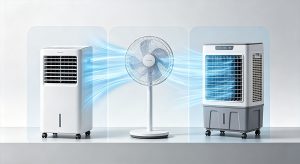
When summer heat hits, the market is flooded with cooling products that all promise relief. Portable air conditioners, tower fans, evaporative coolers, window units—each one... Continue reading
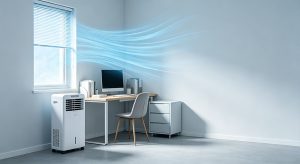
Rooms without windows are some of the hardest spaces to keep cool in summer. Whether it’s an interior bedroom, a basement office, a converted garage,... Continue reading
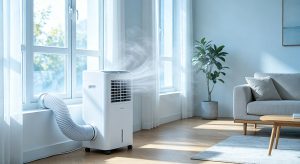
Summer temperatures keep climbing year after year, and staying cool at home is no longer a luxury—it’s a basic necessity for comfort, productivity, and even... Continue reading

Add comment