Summer temperatures keep climbing year after year, and staying cool at home is no longer a luxury—it’s a basic necessity for comfort, productivity, and even health. But not everyone can install a central air conditioning system, and window units often come with complicated installation, permanent modifications, and strict window size limits. That’s why portable air conditioners have become one of the fastest-growing cooling solutions for renters, homeowners, and small-space dwellers alike.
If you’re shopping for a portable AC for the first time, or replacing an old unit with a more efficient model, this guide will walk you through everything you need to know to make the right choice. From BTU ratings to energy efficiency, installation ease to extra features, we’ll break down every factor that matters so you can buy with confidence.
What Is a Portable Air Conditioner, and How Does It Work?
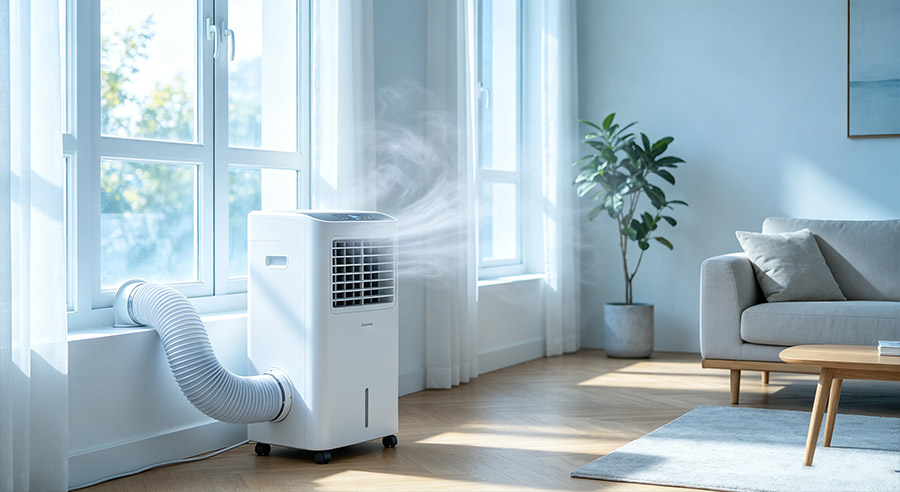
A portable air conditioner is a freestanding cooling unit that sits on the floor of your room and connects to a window via an exhaust hose. Unlike window AC units that are mounted permanently in a window frame, portable models roll on casters, so you can move them from room to room as needed.
Inside the unit, a refrigerant cycle absorbs heat from indoor air, cools the air, and recirculates it back into the room. The extracted heat and moisture are vented outside through the exhaust hose. Most modern portable ACs also include dehumidification and fan-only modes, making them functional year-round appliances rather than single-season tools.
The Biggest Advantages of Portable Air Conditioners
Before we dive into specs, let’s cover why so many households are switching to portable cooling:
- No permanent installation required: The best models use a simple window kit with no screws, no nails, and no structural changes to your home. You can set one up in 5–10 minutes, and remove it just as easily when summer ends.
- Flexibility: Cool your living room during the day and your bedroom at night—one unit can serve multiple spaces.
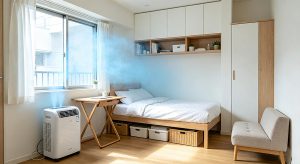
- Rent-friendly: Most leases prohibit window AC units or permanent modifications. Portable ACs leave no damage and are almost always allowed.
- Cost-effective: Compared to central AC installation or multiple window units, a single portable AC is far more affordable to buy and run.
- Fits almost any window: Adjustable window kits work with horizontal and vertical sliding windows, casement windows, and even patio doors with the right accessories.
Key Specs to Understand Before You Buy
1. BTU Rating: Match the Unit to Your Room Size
BTU (British Thermal Unit) measures cooling power. The higher the BTU, the larger the space the unit can cool effectively. Buying an underpowered AC means it will run constantly and never reach your desired temperature; buying one that’s too powerful wastes energy and can leave the room feeling clammy.
As a general reference:
- 8,000–10,000 BTU: 150–300 sq ft (small bedrooms, home offices)
- 12,000–14,000 BTU: 300–500 sq ft (living rooms, master bedrooms)
- 16,000+ BTU: 500–700 sq ft (large open-plan spaces, basements)
Always measure your room’s square footage first, and account for extra heat sources like sunny windows, kitchens, or lots of electronics—these may require you to step up 1,000–2,000 BTU.
2. Energy Efficiency: Save Money Every Month
Cooling accounts for a huge chunk of summer electricity bills, so efficiency matters. Look for units with a high CEER (Combined Energy Efficiency Ratio) rating. Modern inverter-driven portable ACs use up to 30% less energy than older single-speed models while maintaining more consistent temperatures.
Many people overlook the fact that proper installation also improves efficiency. A well-sealed window kit prevents warm air from leaking back in, so your unit doesn’t have to work overtime.
3. Installation Design: Simple Setup Makes a Huge Difference
Not all portable ACs are equal when it comes to installation. Cheaper models often have flimsy window kits that require tape, foam, or even drilling to seal properly. Premium units include adjustable window panels that slide to fit your window perfectly—no tools, no damage, no hassle.
Look for units advertised as “no-screw, no-drill installation” if you want the fastest, most renter-friendly setup. The best kits fit window openings from 17 to 53 inches wide, covering almost all standard residential windows.
4. Noise Level: Don’t Let Your AC Ruin Sleep or Work
Portable ACs produce noise from the compressor and fan. If you plan to use the unit in a bedroom or home office, pay attention to decibel (dB) ratings.
- 50–55 dB: Normal conversation level, fine for living areas
- Under 50 dB: Quiet enough for bedrooms on low fan speed
- Sleep mode features further reduce noise and fan speed at night
5. Extra Features That Are Actually Worth Paying For
- Dehumidifier mode: Essential for humid climates. Removes excess moisture from the air without full cooling, making rooms feel cooler even at higher temperatures.
- Fan-only mode: For mild days when you just need air circulation.
- Remote control: Adjust settings from across the room without getting up.
- 24-hour timer: Program the unit to turn on before you get home, or turn off after you fall asleep.
- Auto-evaporation: No need to drain a water bucket in most conditions—moisture is exhausted through the hose automatically.
- Wheels and carrying handles: Make moving between rooms effortless.
Which Type of Space Is a Portable AC Best For?
Portable air conditioners shine in these scenarios:
- Apartments and rental homes: No permanent modifications, easy to take with you when you move.
- Home offices and studies: Cool just the room you’re using instead of the whole house.
- Bedrooms: Place near the window and run on quiet mode overnight.
- Basements and garages: Supplemental cooling for spaces that central AC doesn’t reach.
- Sunrooms and bonus rooms: Spaces that get extra hot in summer and need targeted cooling.
Installation & Usage Tips for Best Performance
- Keep the exhaust hose as short and straight as possible. Extra bends or length reduce efficiency and increase noise.
- Seal the window completely. Even small gaps let warm, humid air in and force your AC to work harder.
- Close doors and windows in the room you’re cooling for fastest results.
- Clean the air filter every 2–4 weeks. A dirty filter reduces airflow and wastes energy.
- Place the unit at least 12 inches away from walls or furniture so air intake isn’t blocked.
Final Thoughts
A portable air conditioner is one of the most practical, flexible, and affordable ways to beat the summer heat. Unlike permanent cooling solutions, it works with almost any living situation, requires no professional installation, and can go wherever you need it most.
The key to satisfaction is matching the unit’s cooling capacity to your space, prioritizing easy tool-free installation, and choosing an efficient model that won’t spike your electric bill. With the right unit, you can enjoy cool, comfortable air all summer long—without renovations, landlord approvals, or huge costs.
Add comment